This how weather and vehicle condition affect the job explains how drivers and business owners can plan Window Tinting in Langley, prepare useful quote information and evaluate the completed work without relying on vague product claims. Use it with a vehicle-specific inspection and written estimate, because surface condition, materials and appointment availability can change the final recommendation.
How Weather and Vehicle Condition Affect the Job
Temperature, moisture, road contamination and surface condition can influence preparation and curing. A controlled installation environment helps, but the vehicle still needs inspection and appropriate aftercare once it returns outdoors. For window tinting customers travelling from Langley, confirming these details in advance can prevent an unnecessary second visit.
Service-specific considerations
Window film choices should be compared by performance, clarity, appearance and warranty—not darkness alone. Ceramic films are commonly considered when heat management and signal-friendly construction matter, while other films may suit a simpler privacy or styling goal.
British Columbia has rules affecting where tint may be installed and how dark it may appear. A reputable installer should discuss the intended glass locations and encourage the vehicle owner to confirm current provincial requirements before approving the work.
Details that matter for window tinting
Film performance should be discussed separately from shade. Ask about clarity, heat rejection, construction, colour stability and the manufacturer’s care guidance for the exact product being quoted. The intended glass locations must also be considered against current British Columbia requirements; the vehicle owner remains responsible for confirming legal compliance. Before installation, identify damaged defroster lines, chips, scratches, old film and aftermarket antennas. Afterward, do not lower affected windows or clean the film until the installer’s stated curing period has passed. Temporary moisture appearance can differ with weather, so photograph a concern and request an inspection instead of pressing on the film.
This guide is general planning information, not a statement that every film or glass location is permitted. Rules and enforcement can change. Confirm the current requirements that apply to the vehicle before authorizing installation, and keep the product and invoice details in case questions arise later.
Outdoor exposure begins before installation
Rain, winter road film, dust and temperature changes influence how the vehicle arrives. A controlled shop environment supports preparation, but heavy contamination still requires time to address. Send recent photos if the condition has changed since the quote.
Paint and glass condition set practical limits
Failing clear coat, corrosion, chips, scratches and repaired glass can affect installation or removal. The shop should explain visible risks instead of hiding them. {Service} cannot repair an unstable underlying surface, and applying material may make existing defects easier to notice.
Aftercare should reflect local conditions
A vehicle returning to Langley may encounter rain or road contamination immediately. Ask what exposure is acceptable during curing and when normal washing can resume. Product-specific instructions are more reliable than a universal waiting period copied from an unrelated installation.
Planning the trip from Langley
For customers travelling from Langley, a complete remote quote package is especially useful: vehicle details, current photos, artwork or exact wording, and the preferred completion date. Confirm that materials and approvals are ready before leaving. Businesses should also arrange a backup vehicle when operational timing cannot tolerate an unexpected removal or surface issue.
The longer trip from Langley makes pre-approval valuable. Ask the shop to confirm artwork, material availability and the expected collection window in one written message. For fleets, group similar units only after checking model years and body differences; two vans with similar names can have different doors or trim that require a revised layout and installation estimate.
Preparation and final review
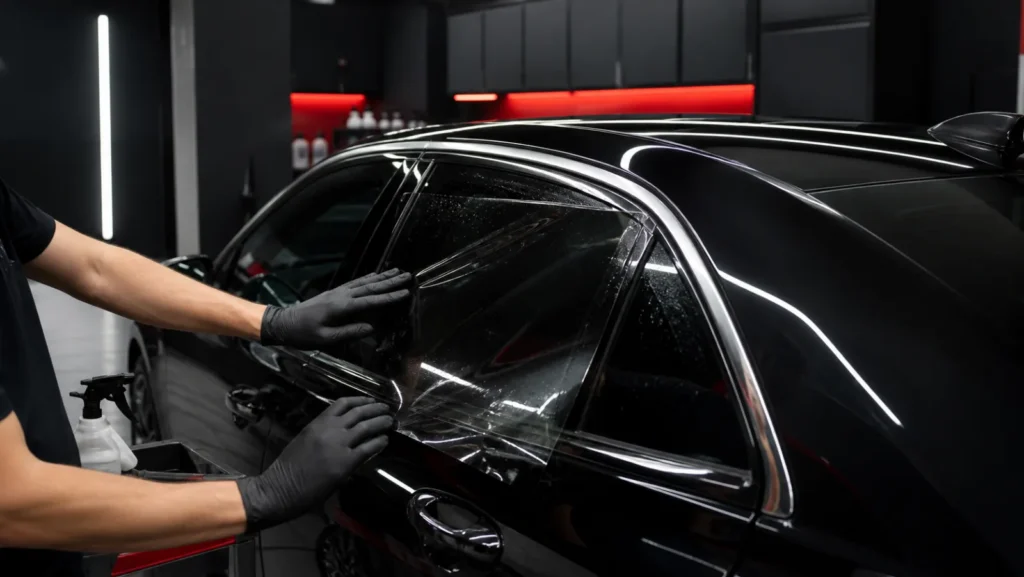
Good tint preparation includes cleaning the glass edges, inspecting existing contamination and protecting nearby trim. After installation, the film needs curing time. Temporary haze or moisture pockets may be normal, but the installer’s written care directions should always take priority.
At pickup, compare the completed vehicle with the written scope or approved proof. Review important wording character by character, examine the overall alignment from normal viewing distance and ask what changes are normal during curing. Save the invoice, product information, care instructions and completion photographs with the vehicle records.
Four questions to confirm
- Which surfaces are included in the scope?
- How are spelling and placement approved?
- What workmanship terms apply?
- Can the layout be repeated on another vehicle?
Request Window Tinting near Langley
Apna Customs serves Surrey, Delta, Langley and the Lower Mainland by appointment. Same-day completion may be available for selected prepared work only when the design, vehicle condition, material stock and schedule allow; customers should receive confirmation before relying on that timing.
Review the related service, browse the project gallery, or send vehicle details for a quote.